
A sore throat that just won’t go away can be frustrating—especially when cold medicines, antibiotics, or lozenges don’t seem to help. If you’ve been dealing with a persistent scratchy throat, frequent throat clearing, or a hoarse voice without obvious signs of infection, the real culprit could be Laryngopharyngeal Reflux (LPR), often called silent acid reflux.
Unlike typical acid reflux that causes heartburn, LPR often affects the throat and voice box without any burning sensation in the chest. Understanding this overlooked condition can help you find the right treatment and finally get lasting relief.
What Is Laryngopharyngeal Reflux (LPR)?
LPR occurs when stomach acid and digestive enzymes travel upward beyond the esophagus and reach the throat (pharynx) and voice box (larynx). The tissues in these areas are much more delicate than the lining of the stomach, making them highly sensitive to even small amounts of acid.
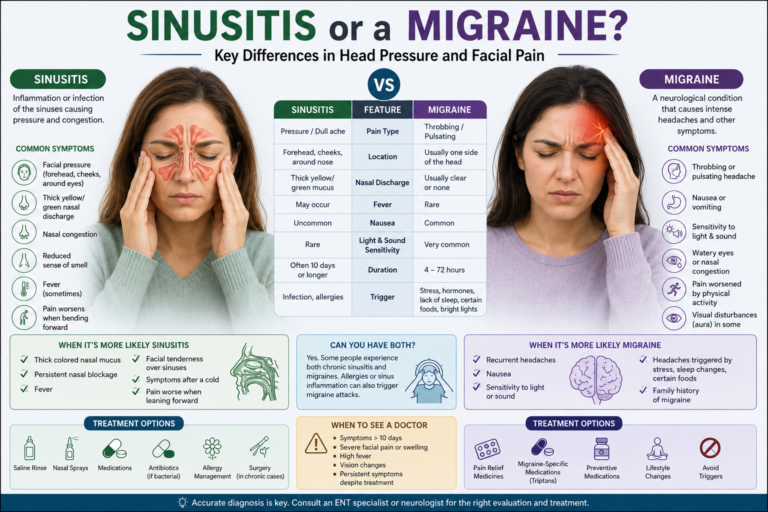
Because many people with LPR don’t experience heartburn, the condition is often mistaken for allergies, chronic throat infections, or sinus problems.
Common Symptoms of Silent Acid Reflux
LPR can cause a wide range of symptoms, including:
- Constant or recurring sore throat
- Frequent throat clearing
- Hoarseness or changes in voice
- Feeling like something is stuck in the throat (globus sensation)
- Chronic dry cough
- Difficulty swallowing
- Excess mucus in the throat
- Bitter taste in the mouth, especially in the morning
- Bad breath without a dental cause
If these symptoms persist for several weeks, LPR may be worth investigating.
Why Does LPR Cause a Sore Throat?
When stomach acid repeatedly reaches the throat, it irritates and inflames the sensitive tissues. Unlike the stomach, the throat has very little protection against acid exposure.
Repeated irritation may lead to:
- Ongoing inflammation
- Swelling of the vocal cords
- Increased mucus production
- Persistent discomfort while speaking or swallowing
Even small amounts of reflux occurring multiple times throughout the day can keep the throat inflamed.
Risk Factors for LPR
Several lifestyle and health factors can increase your chances of developing LPR:
- Obesity or excess abdominal weight
- Eating large meals
- Consuming spicy, acidic, or fatty foods
- Drinking excessive caffeine or alcohol
- Smoking or tobacco use
- Eating close to bedtime
- Chronic stress
- Pregnancy
- Hiatal hernia
Making lifestyle changes often plays a major role in reducing symptoms.
How Is LPR Diagnosed?
Because symptoms overlap with many other throat conditions, diagnosis usually involves an evaluation by an ENT specialist or gastroenterologist.
Your doctor may recommend:
- Medical history and symptom review
- Examination of the throat using flexible laryngoscopy
- Trial of anti-reflux medication
- Upper endoscopy (in selected cases)
- 24-hour pH monitoring for difficult or unclear cases
Proper diagnosis helps avoid unnecessary antibiotics or repeated treatments that don’t address the underlying cause.
Treatment Options
Most people improve with a combination of lifestyle changes and medication.
Lifestyle Changes
- Avoid eating for at least 2–3 hours before bedtime
- Eat smaller, more frequent meals
- Reduce spicy, fried, and acidic foods
- Limit caffeine, alcohol, and carbonated drinks
- Sleep with the head of the bed elevated
- Maintain a healthy body weight
- Quit smoking
Medications
Depending on the severity, your doctor may prescribe:
- Proton pump inhibitors (PPIs)
- H2 receptor blockers
- Antacids
- Alginates that create a protective barrier against reflux
Always take medications as directed by your healthcare provider.
When Should You See an ENT Specialist?
Seek medical evaluation if you experience:
- A sore throat lasting more than three weeks
- Persistent hoarseness
- Difficulty swallowing
- Unexplained weight loss
- Blood in saliva or vomit
- Severe throat pain
- Recurrent choking episodes
These symptoms require prompt assessment to rule out other underlying conditions.
Can LPR Be Prevented?
Yes. Many cases can be managed or prevented by adopting healthy habits such as:
- Maintaining a balanced diet
- Avoiding late-night meals
- Managing stress
- Staying physically active
- Limiting reflux-triggering foods
- Following prescribed treatment consistently
Early intervention can prevent long-term irritation and improve quality of life.
Final Thoughts
A constant sore throat isn’t always caused by an infection. Laryngopharyngeal Reflux (LPR) is a surprisingly common but often overlooked condition that can silently damage the throat without causing classic heartburn.
If your sore throat keeps returning despite treatment, consider discussing LPR with an ENT specialist. A proper diagnosis and targeted treatment plan can help relieve symptoms, protect your voice, and improve your overall throat health.